@media screen and (max-width: 768px) { }
top of page

Research Blog

Search

When it comes to running a business, managing payroll can feel like walking a tightrope. One wrong step, and you could face penalties, unhappy employees, or even legal trouble. That’s why understanding payroll compliance and how to optimize the payroll compliance process is so important. It’s not just about paying your team on time; it’s about doing it right, every time.


In this post, I’ll walk you through what payroll compliance means, why it matters, and how you can streamline your payroll compliance process to keep your business running smoothly. Whether you’re a small local shop or a growing medium-sized company, these insights will help you master your payroll operations.


What Is Payroll Compliance and Why Does It Matter?


Payroll compliance means following all the rules and regulations related to paying your employees. This includes tax laws, labor laws, reporting requirements, and record-keeping standards. It sounds straightforward, but the reality is that payroll compliance can be complex and ever-changing.


For example, you need to withhold the right amount of federal and state taxes, pay overtime correctly, and file reports on time. If you miss a deadline or make a mistake, you could face fines or audits. Worse, your employees might lose trust in your business.


Here’s why payroll compliance is crucial:


  • Avoid penalties and fines: Governments take payroll compliance seriously. Mistakes can lead to costly penalties.

  • Keep employees happy: Accurate and timely pay builds trust and morale.

  • Maintain business reputation: Compliance shows professionalism and reliability.

  • Stay audit-ready: Proper records make audits less stressful.


Understanding these basics is the first step toward optimizing your payroll compliance process.


Eye-level view of a business office desk with payroll documents and calculator

How to Optimize Your Payroll Compliance Process


Optimizing your payroll compliance process means making it as efficient and error-free as possible. Here are some practical steps you can take:


1. Automate Payroll Tasks


Manual payroll processing is prone to errors. Automating tasks like tax calculations, deductions, and report generation can save time and reduce mistakes. Many payroll software options offer built-in compliance checks to keep you on track.


2. Stay Updated on Regulations


Payroll laws change frequently. Make it a habit to review updates from the IRS, Department of Labor, and your state’s labor department. Subscribing to newsletters or joining industry groups can help you stay informed.


3. Train Your Payroll Team


Whether you handle payroll yourself or have a dedicated team, ongoing training is essential. Understanding the latest rules and software tools ensures everyone is on the same page.


4. Keep Accurate Records


Maintain detailed records of employee hours, wages, tax filings, and communications. Good record-keeping supports compliance and makes audits easier.


5. Conduct Regular Audits


Schedule periodic internal audits of your payroll process. This helps catch errors early and ensures your system is working as intended.


By focusing on these areas, you can create a payroll compliance process that’s both reliable and efficient.


Common Payroll Compliance Challenges and How to Overcome Them


Even with the best intentions, businesses face challenges in payroll compliance. Here are some common issues and tips to handle them:


Misclassifying Employees


Classifying workers as employees or independent contractors incorrectly can lead to serious penalties. Review IRS guidelines carefully and consult a professional if you’re unsure.


Handling Overtime Pay


Overtime rules vary by state and job type. Make sure your payroll system calculates overtime correctly and that you understand exemptions.


Managing Multi-State Payroll


If your business operates in multiple states, you must comply with each state’s tax and labor laws. Using payroll software that supports multi-state compliance can simplify this.


Keeping Up with Tax Deadlines


Missing tax filing deadlines is a common mistake. Use calendar reminders and automated alerts to stay on top of due dates.


Dealing with Employee Benefits and Deductions


Benefits like health insurance and retirement plans come with specific payroll rules. Ensure your payroll system handles these deductions accurately.


Addressing these challenges head-on will help you avoid costly errors and keep your payroll process running smoothly.
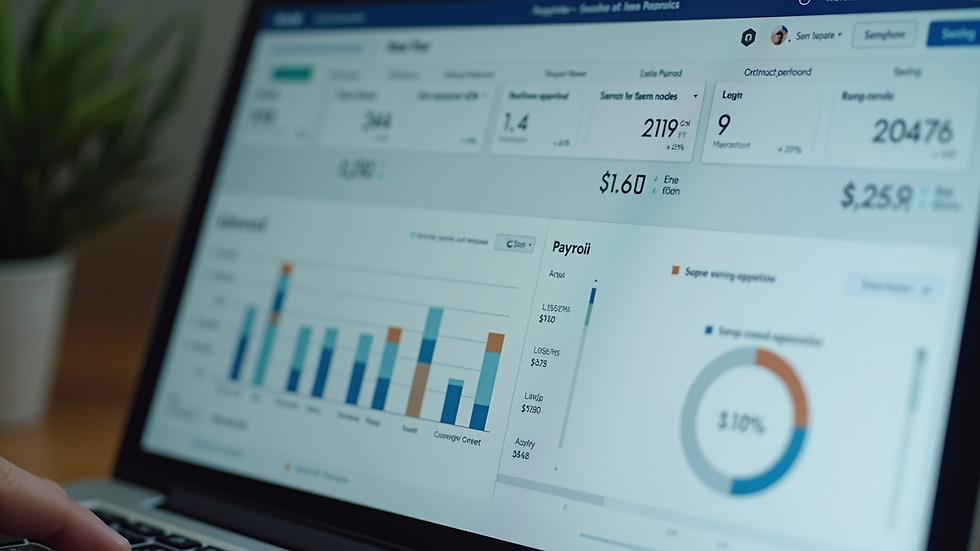

Close-up view of a computer screen showing payroll software dashboard

Why Partnering with Payroll Compliance Services Makes Sense


Sometimes, the best way to optimize your payroll compliance process is to get expert help. Partnering with payroll compliance services can take the pressure off your shoulders.


Here’s what these services typically offer:


  • Expert knowledge: They stay updated on all payroll laws and regulations.

  • Technology solutions: Access to advanced payroll software and automation tools.

  • Error reduction: Professional oversight minimizes mistakes.

  • Time savings: Free up your team to focus on core business activities.

  • Audit support: Assistance during government audits or inquiries.


For businesses of all sizes, from small shops to medium enterprises, outsourcing payroll compliance can be a smart move. It ensures your payroll is handled professionally and compliantly, giving you peace of mind.


Tips for Choosing the Right Payroll Compliance Partner


If you decide to work with a payroll compliance service, here are some tips to find the right fit:


  • Check experience: Look for providers with a proven track record in your industry.

  • Evaluate technology: Ensure their software integrates well with your existing systems.

  • Ask about support: Reliable customer service is key when issues arise.

  • Review pricing: Understand their fee structure and what’s included.

  • Seek references: Talk to other businesses who have used their services.


Choosing the right partner can make a big difference in how smoothly your payroll compliance process runs.


Taking Control of Your Payroll Compliance Process


Mastering payroll compliance is a journey, not a one-time task. By understanding the rules, optimizing your processes, and considering expert help, you can keep your business on the right track.


Remember, payroll compliance is about more than just avoiding fines. It’s about building trust with your employees and creating a solid foundation for your business growth. With the right approach, you’ll find that payroll compliance process optimization is not only achievable but also a valuable part of your business success.


So, take the time to review your current payroll setup, make improvements where needed, and don’t hesitate to reach out for professional support. Your business - and your team - will thank you for it.

Handling payroll taxes can feel like walking through a maze without a map. It’s complex, ever-changing, and mistakes can be costly. That’s why payroll tax advisory services are becoming essential for businesses of all sizes. Whether you run a small local shop or a medium-sized company, understanding and managing payroll taxes correctly is crucial to your success.


Let me walk you through why having expert help in this area is not just a luxury but a smart business move.


What Are Payroll Tax Advisory Services?


Payroll tax advisory services are specialized support that helps businesses manage their payroll tax obligations. This includes everything from calculating the right amount of taxes to withholding, filing returns, and staying compliant with federal, state, and local tax laws.


These services are designed to take the headache out of payroll taxes. They provide guidance, tools, and strategies to ensure your business meets all tax requirements without overpaying or risking penalties.


Why This Matters to Your Business


Payroll taxes are not just about paying your employees. They involve a complex web of regulations that can change frequently. Missing a deadline or miscalculating taxes can lead to fines, audits, or worse.


By using payroll tax advisory services, you get:


  • Accurate tax calculations

  • Timely filings and payments

  • Up-to-date compliance with tax laws

  • Reduced risk of audits and penalties

  • More time to focus on growing your business


Eye-level view of a business office desk with tax documents and calculator

How Payroll Tax Advisory Services Help You Save Money and Time


One of the biggest benefits of payroll tax advisory services is the potential to save money. It might sound counterintuitive to pay for advice, but the savings come from avoiding costly mistakes and optimizing your tax processes.


Here’s how these services can save you money and time:


1. Avoiding Penalties and Interest


Tax authorities are strict about payroll tax deadlines. Missing a payment or filing late can result in penalties and interest charges. A payroll tax advisory service keeps track of deadlines and ensures everything is submitted on time.


2. Correct Tax Withholding


Withholding the wrong amount of tax from employee paychecks can cause problems. Too little withholding means your business owes money later. Too much means employees get frustrated. Advisory services help you get it right the first time.


3. Maximizing Tax Credits and Deductions


There are often tax credits and deductions available that businesses overlook. Payroll tax advisors know how to identify and apply these, reducing your overall tax burden.


4. Streamlining Payroll Processes


Payroll tax advisory services often include recommendations for software or systems that make payroll processing faster and more accurate. This means less time spent on manual calculations and more time for other priorities.


The Role of a Payroll Tax Consultant in Your Business


If you’re wondering how a payroll tax consultant fits into this picture, here’s the scoop. A payroll tax consultant is a specialist who works closely with your business to manage payroll tax issues. They bring expertise and experience that most businesses don’t have in-house.


What a Payroll Tax Consultant Does


  • Reviews your current payroll tax processes

  • Identifies risks and compliance gaps

  • Advises on tax planning strategies

  • Helps with tax filings and audits

  • Provides ongoing support and updates on tax law changes


Having a dedicated expert means you’re not just reacting to problems but proactively managing your payroll taxes.


Close-up view of a consultant explaining payroll tax documents to a business owner

Common Payroll Tax Challenges and How Advisory Services Solve Them


Payroll taxes come with a lot of challenges. Here are some common ones and how payroll tax advisory services help you overcome them:


Challenge 1: Keeping Up with Changing Tax Laws


Tax laws change frequently, and staying current is tough. Advisory services monitor these changes and update your payroll processes accordingly.


Challenge 2: Managing Multi-State Payroll Taxes


If your business operates in multiple states, you face different tax rules in each location. Payroll tax advisory services help you navigate these complexities and avoid costly mistakes.


Challenge 3: Handling Employee Classification


Misclassifying employees as contractors or vice versa can lead to serious tax issues. Advisors help ensure correct classification to keep you compliant.


Challenge 4: Preparing for Audits


Payroll tax audits can be stressful and time-consuming. Advisory services prepare your records and guide you through the audit process to minimize disruption.


How to Choose the Right Payroll Tax Advisory Service for Your Business


Not all payroll tax advisory services are created equal. Here are some tips to help you pick the right one:


  • Look for experience with businesses your size

  • Check for expertise in your industry

  • Ask about their knowledge of local and state tax laws

  • Request references or case studies

  • Ensure they offer ongoing support, not just one-time advice

  • Consider their communication style and responsiveness


Choosing the right partner can make a huge difference in how smoothly your payroll tax processes run.


Taking the Next Step with Payroll Tax Advisory Services


If you want to avoid payroll tax headaches and focus on growing your business, it’s time to consider payroll tax advisory services. They bring peace of mind, save you money, and help you stay compliant with ease.


Remember, payroll taxes are complicated, but you don’t have to handle them alone. With the right support, you can master your payroll operations and achieve new levels of success.


Ready to get started? Reach out to a trusted payroll tax advisory service and see how they can help you today. Your business deserves it.


Mastering payroll taxes is easier with expert help. Don’t wait until problems arise - get the support you need now.

Running a business in California comes with its own set of challenges, especially when it comes to managing payroll. From complex tax laws to strict labor regulations, handling payroll can quickly become overwhelming. That’s why finding payroll services tailored for California small businesses is so important. I want to share some insights on how localized payroll service options can make your life easier, keep you compliant, and help your business thrive.


Why Localized Payroll Service Options Matter in California


California is known for its unique and often complicated payroll requirements. Unlike other states, California has specific rules around overtime, meal breaks, and state taxes that can trip up even the most experienced business owners. This is where localized payroll service options come into play.


When you choose a payroll service that understands California’s laws, you get more than just paycheck processing. You get peace of mind knowing that your payroll is handled correctly, your taxes are filed on time, and your employees are paid accurately. This reduces the risk of costly penalties and audits.


For example, California requires employers to withhold state disability insurance (SDI) and state unemployment insurance (SUI) taxes, which are not common in many other states. A localized payroll service will automatically calculate and withhold these amounts, so you don’t have to worry about it.


Eye-level view of a small business office with a laptop and payroll documents

Key Features to Look for in California Payroll Services


When searching for payroll services tailored for California small businesses, there are a few key features you should prioritize:


  • Compliance with California Labor Laws: The service should handle overtime rules, meal and rest break requirements, and wage statement regulations.

  • Tax Filing and Payment: Automatic filing of federal, state, and local payroll taxes, including California-specific taxes like SDI and SUI.

  • Employee Self-Service Portal: Allow employees to view pay stubs, tax forms, and update their information online.

  • Direct Deposit and Check Options: Flexible payment methods to suit your business and employees.

  • Integration with Time Tracking: Sync with timekeeping systems to ensure accurate hours and overtime calculations.

  • Support for Multiple Employee Types: Whether you have full-time, part-time, or contractors, the service should handle all payroll types.


Choosing a payroll service with these features will save you time and reduce errors. It also helps you stay on top of changing regulations, which is crucial in California.


How to Choose the Right Payroll Service for Your Business Size


Whether you run a small local shop or a growing medium-sized business, your payroll needs will differ. Here’s how to think about payroll services based on your business size:


Small Businesses


If you have fewer than 20 employees, you might want a simple, affordable payroll service that automates tax filings and payments. Look for services that offer easy setup and minimal manual input. Many small businesses benefit from services that include employee self-service portals and direct deposit options.


Medium-Sized Businesses


For businesses with 20 to 100 employees, payroll can get more complex. You might need features like integration with accounting software, advanced reporting, and multi-state payroll if you have employees outside California. Look for services that offer dedicated support and customizable payroll options.


Growing Businesses


If your business is expanding rapidly, consider payroll services that scale with you. Features like automated compliance updates, HR tools, and benefits administration can be valuable. You want a partner that grows with your business and helps you avoid payroll headaches.


Close-up view of a computer screen showing payroll software dashboard

The Benefits of Using Small Business Payroll Services California


Using small business payroll services california can transform how you manage your payroll. Here are some benefits you can expect:


  • Time Savings: Automate repetitive tasks like tax calculations and filings.

  • Accuracy: Reduce errors that can lead to fines or unhappy employees.

  • Compliance: Stay up to date with California’s ever-changing payroll laws.

  • Employee Satisfaction: Timely and accurate pay boosts morale.

  • Cost Efficiency: Avoid costly penalties and reduce the need for in-house payroll staff.

  • Focus on Growth: Spend less time on payroll and more on growing your business.


By partnering with a payroll service that understands California’s unique requirements, you’re investing in your business’s long-term success.


Tips for Getting the Most Out of Your Payroll Service


Once you’ve chosen a payroll service tailored for California small businesses, here are some tips to maximize its benefits:


  1. Keep Employee Records Updated: Make sure all employee information is current to avoid payroll errors.

  2. Use Direct Deposit: It’s faster and more secure for both you and your employees.

  3. Review Payroll Reports Regularly: Check for discrepancies or unusual entries.

  4. Communicate with Your Payroll Provider: Don’t hesitate to ask questions or request help.

  5. Stay Informed About Law Changes: Even with a payroll service, it’s good to know about new regulations.

  6. Integrate with Other Systems: Connect your payroll with accounting and time tracking software for seamless operations.


Following these tips will help you get the most value from your payroll service and keep your business running smoothly.


Moving Forward with Confidence in Payroll Management


Managing payroll in California doesn’t have to be a headache. With the right localized payroll service options, you can simplify your processes, stay compliant, and focus on what matters most - growing your business. Whether you’re a small shop or a medium-sized company, investing in tailored payroll services is a smart move.


Remember, payroll is more than just paying your employees. It’s about protecting your business, maintaining trust, and ensuring smooth operations. Take the time to find a service that fits your needs and watch how it transforms your business.


If you want to explore options, consider reaching out to experts who specialize in California payroll. They can guide you through the process and help you find the perfect fit.


Payroll doesn’t have to be complicated. With the right help, it can be one less thing to worry about.


Thanks for reading! If you found this helpful, feel free to share it with other business owners who might benefit from localized payroll service options.

bottom of page